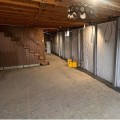
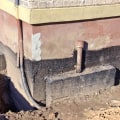
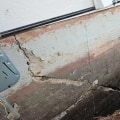
Foundation repair is often associated with fixing cracks, leveling uneven floors, or stabilizing settling structures, but one of the most important factors influencing the success of these repairs lies beneath the surface. Soil conditions play a critical role in determining how a foundation performs over time and whether repair efforts will provide lasting results. Every structure depends on the soil beneath it to support its weight, distribute structural loads, and remain stable through changing weather conditions. If the underlying soil shifts, expands, contracts, erodes, or loses its load-bearing capacity, the foundation above may experience movement regardless of how well it was originally constructed. Because of this, successful foundation repair requires more than correcting visible structural damage. It also involves understanding the characteristics of the surrounding soil and addressing the environmental conditions that contributed to the problem in the first place. Without this broader perspective, repairs may only provide temporary improvements while the underlying causes continue to affect the building.
Understanding How Soil Affects Structural Stability
Different soil types respond differently to moisture, temperature changes, and structural loading. Clay-rich soils, for example, tend to expand when wet and shrink during dry periods, creating repeated cycles of movement beneath foundations. Sandy soils generally drain more efficiently but may become unstable if erosion occurs, while silty soils can lose strength when saturated. Structural engineers and foundation specialists evaluate these conditions before recommending repair methods because each soil type presents unique challenges. Soil testing, drainage assessments, and site evaluations help determine whether foundation movement is related to excessive moisture, inadequate compaction, poor grading, or other environmental factors. Companies such as Open Concept Engineering understand that effective foundation repair begins with a thorough understanding of the interaction between structural systems and the ground that supports them. By considering soil behavior alongside engineering analysis, professionals can develop repair solutions that address both existing damage and the conditions most likely to influence future performance.
Moisture Management Is Essential for Long-Term Results
Water is one of the most significant influences on soil stability and foundation performance. Poor drainage, leaking plumbing, overflowing gutters, improper grading, or inconsistent irrigation can all alter soil moisture levels around a building. Excess water may soften supporting soils, reduce load-bearing capacity, and contribute to settlement, while prolonged dry conditions can cause expansive soils to contract and create voids beneath the foundation. Effective foundation repair often includes improving drainage systems, redirecting surface runoff, repairing water leaks, and managing landscaping practices to maintain more consistent soil conditions. These preventive measures help reduce future movement after repairs have been completed. Engineers may also recommend stabilization techniques, specialized foundation supports, or soil improvement methods depending on the property's unique conditions. Addressing moisture-related concerns alongside structural repairs increases the likelihood that the repaired foundation will continue performing reliably for many years without recurring settlement or movement.
Building Stronger Foundations Through Comprehensive Planning
Successful foundation repair requires a comprehensive approach that considers both structural engineering and environmental conditions. Repairing cracks or leveling a structure without evaluating the supporting soil may leave the building vulnerable to future movement caused by the same underlying issues. Homeowners who invest in proper site evaluations, soil analysis, drainage improvements, and preventive maintenance often achieve more durable and cost-effective repair outcomes. Routine inspections of grading, gutters, landscaping, and irrigation systems also help preserve stable soil conditions long after foundation work has been completed. This proactive strategy reduces the likelihood of recurring structural problems while protecting the long-term value of the property. Ultimately, soil should not be viewed as merely the ground beneath a building but as an essential structural component that directly influences foundation performance. By understanding how soil conditions interact with engineering design and environmental factors, property owners can make informed decisions that support safer, stronger, and longer-lasting foundations capable of withstanding the demands of changing seasons and everyday structural loads.