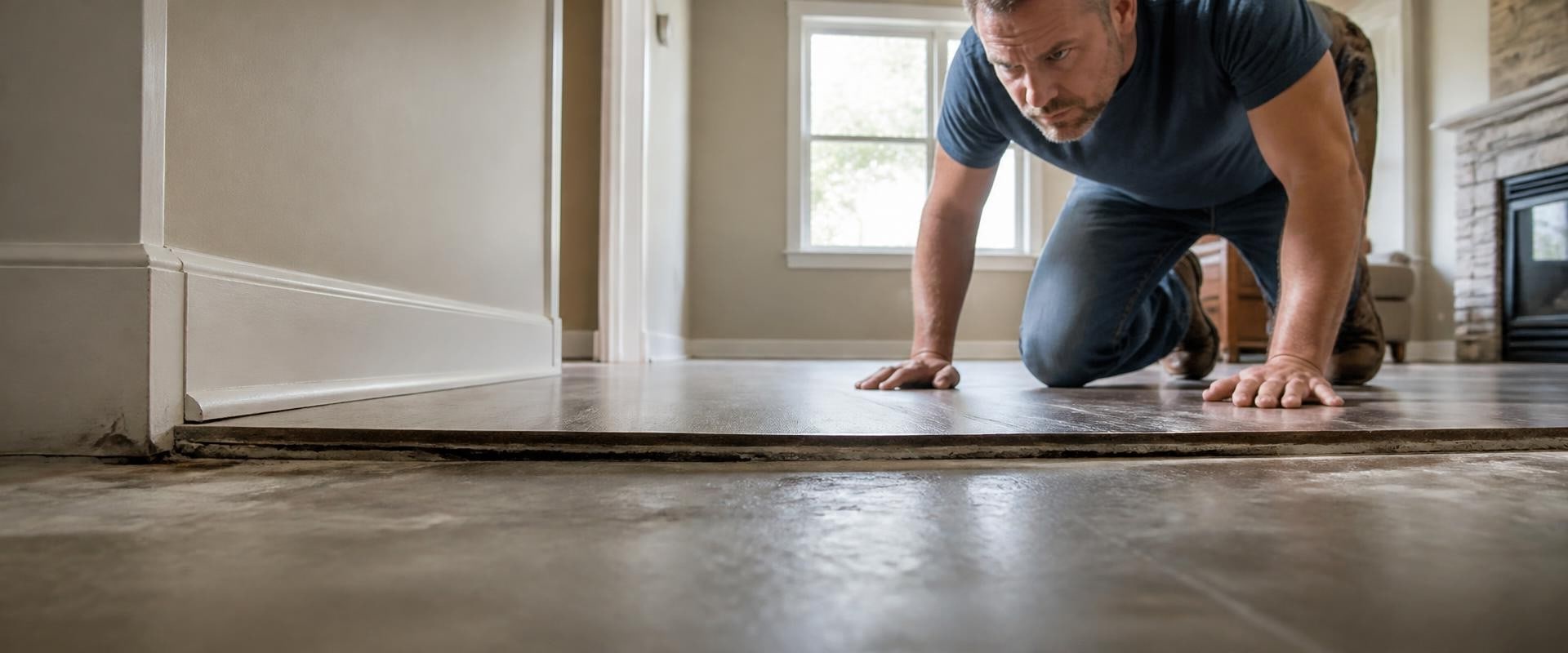
Uneven floors are a common concern in both older and newer homes, but they do not always mean that serious foundation damage is present. Floors can slope, dip, bounce, or feel uneven because of aging materials, weakened joists, moisture damage, poor installation, or normal settling. However, when uneven floors develop alongside other structural warning signs, they may indicate that portions of the foundation are moving at different rates. Homeowners should pay attention to when the problem appeared, whether it is getting worse, and whether similar changes are occurring in other areas of the property.
Look for Additional Signs of Foundation Movement
An uneven floor becomes more concerning when it is accompanied by cracks in walls or masonry, sticking doors, misaligned windows, separating trim, or gaps between walls and ceilings. These symptoms can suggest that the structure is shifting rather than the problem being limited to the flooring itself. Professionals such as Bats Foundation Repair can evaluate whether settlement, soil movement, or other foundation conditions may be contributing to the changes. Looking at the entire structure rather than focusing on one symptom can provide a clearer picture of what may be happening.
Understand How Soil Conditions Affect the Home
The soil beneath a foundation plays a major role in structural stability. Some soils expand when they absorb moisture and shrink when conditions become dry. Other soils may settle because of poor compaction, erosion, or changes in groundwater. If the soil beneath one section of the home moves more than another, the foundation may settle unevenly. That movement can transfer into floor framing or slabs, creating noticeable slopes or low areas inside the house.
Check for Moisture and Plumbing Problems
Water can also contribute to uneven floors and foundation concerns. Plumbing leaks beneath a slab or inside a crawl space may saturate nearby soil or damage wooden structural components. Poor exterior drainage can create similar problems by allowing water to collect around the foundation. Homeowners should look for damp areas, musty odors, unusual water bills, or signs of standing water beneath the home. Addressing moisture problems is often an important part of preventing additional deterioration.
Avoid Covering the Problem With New Flooring
Installing new hardwood, laminate, tile, or carpet may improve the appearance of an uneven floor temporarily, but it does not correct structural movement underneath. Tile can crack, hardwood may separate, and rigid flooring materials may become damaged if the supporting surface continues to shift. Before investing in new flooring, homeowners should determine whether leveling, subfloor repair, joist reinforcement, or foundation stabilization is necessary.
Consider How Uneven Floors Affect Other Features
Floor movement can influence more than walking surfaces. Cabinets, countertops, appliances, doors, and built-in furniture may become difficult to align when the floor is no longer level. Plumbing fixtures may also be affected if movement changes the position of connected pipes or drains. These secondary symptoms can help homeowners recognize when a flooring problem deserves broader structural evaluation.
Monitor Changes Over Time
Small variations in floor level may remain stable for years, while other problems can gradually worsen. Homeowners can document cracks, slopes, or gaps with photographs and note whether they change over time. Sudden or significant changes should generally receive more immediate attention.
Address the Underlying Cause First
The most effective solution for uneven floors depends on why they developed. Some homes may need simple flooring or framing repairs, while others may require foundation stabilization or moisture correction. Identifying the source before beginning cosmetic work can help homeowners avoid repeated repairs. By monitoring structural symptoms, checking drainage and plumbing, and seeking professional evaluation when needed, homeowners can make more informed decisions about protecting both their floors and the overall stability of the home.