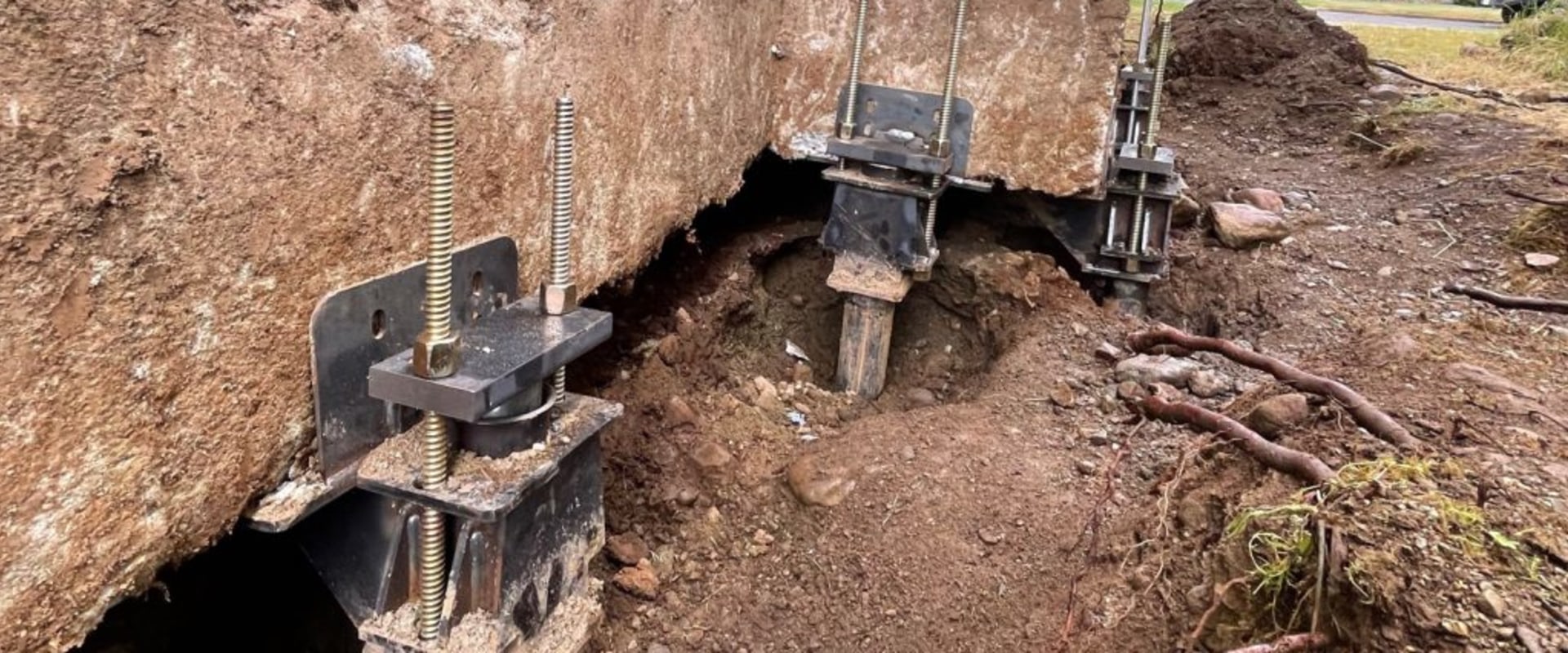
A building’s foundation is its most important structural component, yet it is often the most overlooked until problems become impossible to ignore. Foundations support the entire weight of a structure, distribute loads evenly, and provide stability against soil movement and environmental stress. When a foundation begins to fail, the consequences can ripple throughout the entire building, affecting walls, floors, plumbing, and even roofing systems. Foundation repair plays a vital role in preventing these issues from escalating into costly, wide-ranging structural damage.
Early Signs and Hidden Risks
Many foundation problems begin subtly. Small cracks in walls, uneven floors, sticking doors, or gaps around windows are often dismissed as cosmetic issues or normal settling. However, these early warning signs can indicate underlying structural stress. Ignoring them allows problems to worsen over time, increasing repair complexity and cost. Timely foundation repair addresses the root cause before damage spreads, protecting both the structural integrity of the building and the safety of its occupants.
Preventing Structural Chain Reactions
Foundation issues rarely exist in isolation. When a foundation shifts or settles unevenly, it places stress on other structural elements. Walls may crack, beams may warp, and floors can slope or separate. Over time, this chain reaction can compromise load-bearing components, leading to extensive repairs far beyond the foundation itself. By stabilizing and correcting foundation problems early, property owners can prevent these cascading effects and avoid major reconstruction projects.
Protecting Plumbing and Utilities
One of the most expensive consequences of foundation failure involves plumbing and utility systems. Shifting foundations can crack pipes, disrupt drainage, and cause hidden leaks beneath slabs or behind walls. These leaks not only damage structures but also contribute to moisture buildup, mold growth, and poor indoor air quality. Foundation repair helps maintain alignment and stability, reducing stress on plumbing systems and preventing secondary damage that often goes unnoticed until significant harm has occurred.
Moisture Management and Soil Stability
Water is one of the leading contributors to foundation problems. Poor drainage, expansive soils, and fluctuating moisture levels can cause soil to swell or shrink, placing uneven pressure on foundations. Effective foundation repair often includes addressing moisture-related issues such as grading, drainage solutions, or waterproofing measures. In this broader context of moisture control and soil health, services focused on water quality and management—such as Water Purification Specialists highlight how water-related systems intersect with structural stability, reinforcing the importance of comprehensive property care.
Preserving Property Value and Longevity
Foundation damage can significantly reduce a property’s value and marketability. Buyers are often wary of buildings with unresolved structural issues, and lenders may hesitate to finance properties with known foundation problems. Proactive foundation repair protects long-term investment by preserving structural integrity and maintaining confidence among buyers, insurers, and inspectors. Addressing issues early demonstrates responsible ownership and helps ensure that buildings remain functional and valuable for decades.
Cost Efficiency Through Early Intervention
From a financial standpoint, foundation repair is most cost-effective when problems are addressed early. Minor stabilization or reinforcement is far less expensive than major structural restoration required after years of neglect. Early intervention minimizes labor, material costs, and disruption to occupants. It also reduces the likelihood of emergency repairs, which are often more expensive and disruptive than planned maintenance.
Enhancing Safety and Peace of Mind
Beyond financial considerations, foundation repair directly impacts safety. A compromised foundation can increase the risk of structural failure, posing hazards to occupants. Ensuring stability protects people, belongings, and daily operations within the building. This peace of mind is especially important for homeowners and businesses that rely on their structures for comfort, productivity, and continuity.
A Preventive Approach to Structural Health
The role of foundation repair in preventing costly structural damage lies in its preventive power. By addressing early warning signs, stabilizing structural systems, and managing moisture-related risks, foundation repair protects buildings from progressive deterioration. Rather than reacting to severe damage, a proactive approach safeguards investments, enhances safety, and extends the life of structures—making foundation repair not just a fix, but a critical strategy for long-term structural health.